

Kyrgyzstan Welcomes Home Women and Children from Syria after ISIS Experience
In a groundbreaking move, Kyrgyzstan has successfully repatriated 110 women and 229 children from Syria, where they had been living in camps after being associated with the Islamic State group.
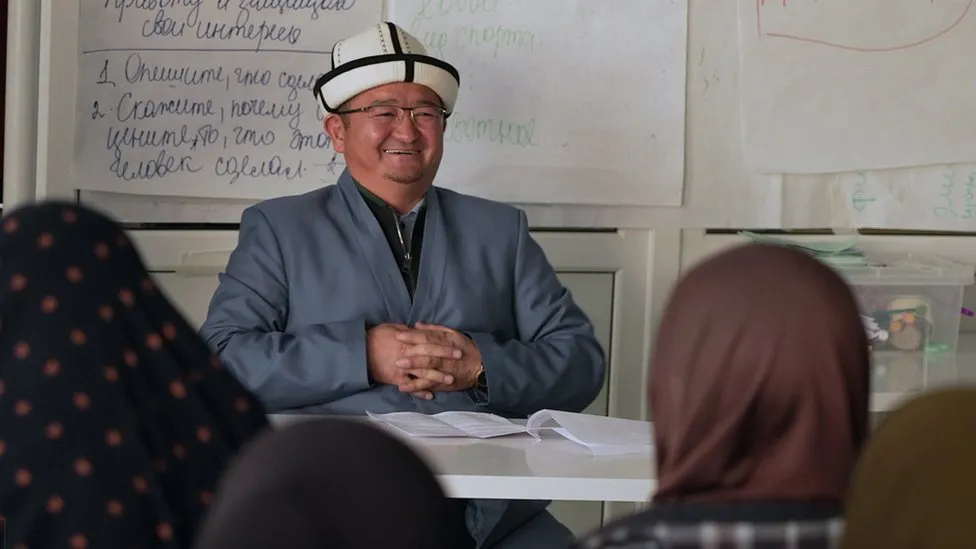
The returnees are now undergoing a rehabilitation program in northern Kyrgyzstan, offering lessons in citizenship, religious ethics, and anger management.
This initiative, supported by the UN and implemented by the Kyrgyz government, aims to provide a second chance to those believed to have been victims of manipulation or coercion.
BBC World Service reporters were granted access to one of the rehabilitation centers, revealing the cautious yet hopeful atmosphere.
The women, who claim to have unknowingly followed family members into a war zone, face police investigations upon their return.
However, the Kyrgyz government has chosen to treat them as victims for now, emphasizing rehabilitation over prosecution.
One woman, identified as Fatima, shared her harrowing experience of losing family members in Syria and expressed gratitude for the calm environment in Kyrgyzstan. Another returnee, Elmira, recounted being deceived into traveling to Syria by someone she met online, highlighting the vulnerability of some individuals who ended up in the conflict zone.
Kyrgyzstan plans to repatriate more individuals, with the total number reaching 260 women and children. Despite the government’s efforts to reintegrate the returnees into society, there is a lingering concern about potential radicalization, especially in the context of Kyrgyzstan’s history as a source of ISIS recruits.
Deputy Prime Minister Edil Baisalov defended the repatriation policy, asserting Kyrgyzstan’s commitment to tolerance and democracy. The move, although challenging, reflects the nation’s desire to care for its citizens, even those who may have made mistakes.
This unique initiative, backed by international organizations like UNICEF, sets Kyrgyzstan apart in addressing the complex issue of repatriating individuals associated with extremist groups.
The women express gratitude for the second chance offered by their home country, acknowledging that many others remain stranded in Syrian camps.
This effort could serve as an example for governments worldwide to facilitate the return, rehabilitation, and reintegration of individuals affected by conflict, as advocated by UNICEF.
[Source: BBC News]
https://www.bbc.com/news/world-asia-67926617