

Before beginning any new exercise program, consult your doctor. Stop immediately if you experience pain.
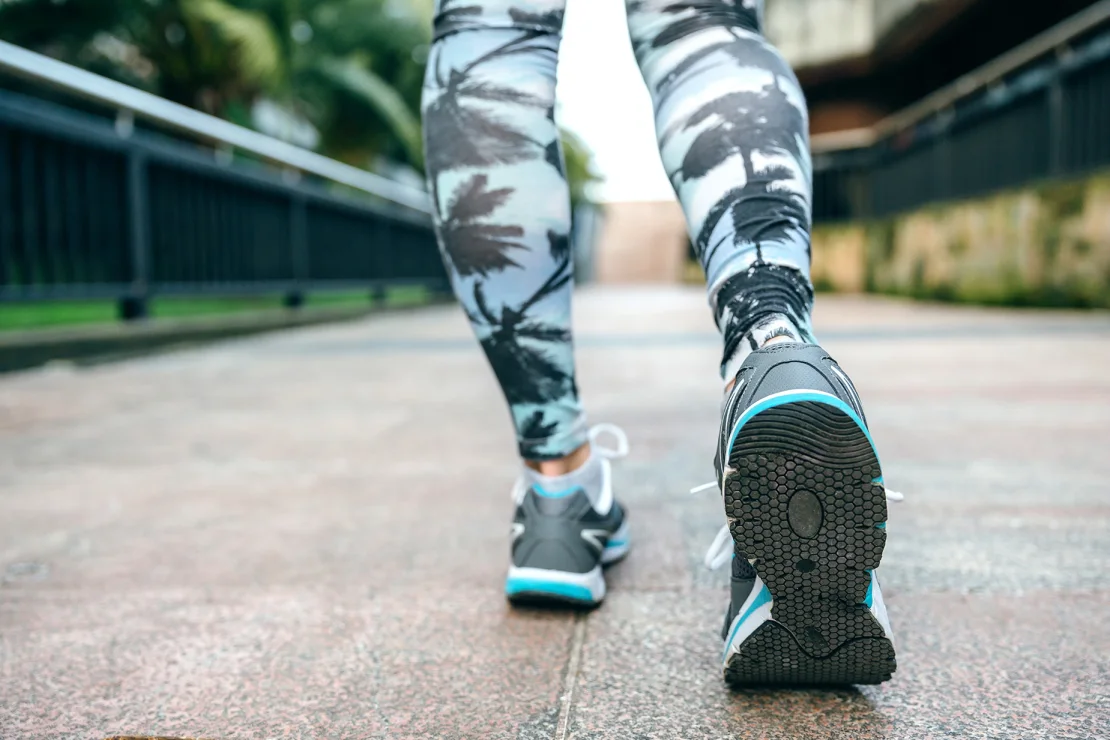
Walking backward, also known as retro walking, is when someone walks in the opposite direction, facing away from where they’re going. It might seem a bit unusual, but it can actually be really good for your health.
Imagine going to a gym and seeing someone on a treadmill, but instead of walking forward, they’re walking backward. Some people do this for physical therapy, while others do it to improve their overall fitness.
Grayson Wickham, a physical therapist in New York City, thinks it’s a great idea to include some backward movement in your day. He believes that people today spend too much time sitting and don’t move around in different ways enough.
There have been studies on the benefits of walking backward. One study found that people who walked backward on a treadmill for 30 minutes a day, four times a week, for four weeks, saw improvements in their balance, how fast they walked, and how well their heart and lungs worked. This means it’s not only good for your muscles, but also for your overall health.
Walking or running backward can have some really positive effects on your body. For example, a group of women who did a six-week program of backward running and walking saw a decrease in their body fat and an improvement in their heart and lung fitness. This was shown in a study published in April 2005.
There are also other studies that suggest walking or moving backward can be good for people with knee problems or chronic back pain. It can also help improve the way you walk and keep you steady on your feet.
Walking backward might even make your brain more alert and help you be more aware of your surroundings. This is because it’s a different and unusual way to move, so your brain has to pay more attention. For this reason, it could be especially helpful for older adults, as shown in a study from 2021 involving patients who had a chronic stroke.
The reason why moving backward is so beneficial is because it uses different muscles compared to moving forward. When you walk or run forward, your backside muscles (hamstrings) do most of the work. But when you move backward, it’s a different story. Your front thigh muscles (quads) get a good workout, and you’re doing something called a “knee extension,” which is good for your knees.
When you walk or run backward, you’re using different muscles than when you move forward. This is really good for your body because it helps you get stronger. As Landry Estes mentioned, being strong can help overcome a lot of physical problems.
Normally, we go about our days mostly moving forward and backward. But we rarely move backward. Grayson Wickham points out that our bodies get used to the positions and movements we do most often. This can lead to tight muscles and joints, which can cause problems. It’s like when a joint has to work too hard, it can wear out and cause pain or injury.
So, by adding in different movements, like walking or running backward, we’re giving our bodies a chance to move in new and beneficial ways. This can help keep our muscles and joints flexible and healthy. It’s a bit like giving your body a refreshing change of pace!
How to start a backward-walking routine
The idea of moving backward is not new at all. In China, people have been walking backward for a very long time to stay physically and mentally healthy. It’s also something you see in sports, like when soccer players or referees move backward during a game. So, even though it might seem unusual, it’s actually been around for a very long time and is used by many people for various benefits.
Some people even have races where they run or walk backward, and you might see folks doing this in big events like the Boston Marathon. For example, in 2018, Loren Zitomersky did it to raise money for epilepsy research and to try to break a world record (he succeeded in raising money but didn’t break the record).
If you want to give it a try, it’s not too hard to start. The important thing, like with any new exercise, is to go slowly. You could begin by walking backward for five minutes a few times a week, as Grayson Wickham suggests. Or you could take a 20-minute walk, and spend about five minutes walking in reverse. As your body gets used to it, you can increase the time and speed, or try more challenging moves, like squatting while walking backward.
If you’re young and already exercise regularly, you can probably walk backward for as long as you want. It’s relatively safe, so don’t be afraid to give it a shot!
And if you want more tips on staying fit and healthy, you can sign up for CNN’s Fitness, But Better newsletter series. It’s a seven-part guide that’ll help you get into a healthy routine, with advice from experts.
Outdoors vs. treadmill options
One exercise that Landry Estes likes is walking backward while pulling a sled. But he also thinks it’s really good to walk backward on a treadmill that you power yourself. While using a motorized treadmill is okay, it’s even better if you’re moving it with your own effort, according to Estes.
If you prefer to be outside, Grayson Wickham suggests walking backward in the open air. He thinks it’s more natural than using a treadmill. Plus, if you happen to trip or stumble outside, it’s generally safer than if it were to happen on a treadmill. So, if you have the space and opportunity, walking backward outside can be a great option.
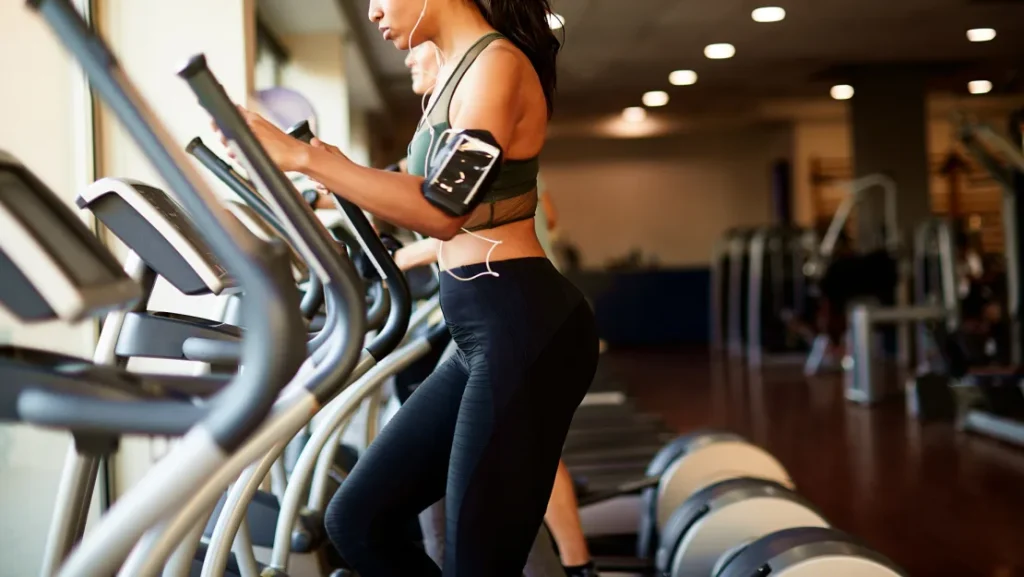
If you choose to walk backward on a treadmill, especially one that moves by itself (motorized), begin by holding onto the handrails and set the speed quite low. As you get used to the motion, you can gradually walk faster, raise the incline, and eventually let go of the handrails. This way, you can build up your confidence and balance over time.
If you decide to give it a try outside, first pick a safe spot without any potential dangers, like a grassy area in a park. Then, start your backward walk. Keep your head and chest up, and roll your foot from the big toe to the heel as you step.
While it’s okay to occasionally look over your shoulder, try not to do it all the time, as it can twist your body in an awkward way. Another option is to walk with a friend who’s walking forward and can help keep an eye out for you. After a few minutes, switch roles so your friend can also enjoy the benefits of walking backward.
Grayson Wickham thinks it’s really beneficial to mix up the way you move. One way to do that is by trying things like walking backward. It’s a fun and different way to get your body moving!
Melanie Radzicki McManus is a freelance writer who specializes in hiking, travel and fitness.
SOURCE:CNN