

Nvidia Unveils New AI System to Power Self-Driving Cars
According to the BBC, Nvidia has introduced a new technology platform designed to improve self-driving cars as the company looks for more real-world products where artificial intelligence (AI) can be used.
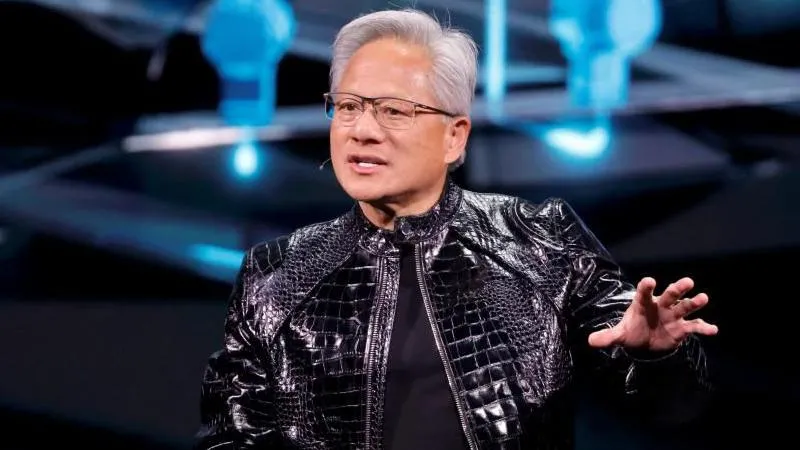
Speaking at the CES technology event in Las Vegas, BBC reports that Nvidia’s CEO, Jensen Huang, announced the system called Alpamayo. He said this technology will allow self-driving cars to reason and think, not just follow instructions.
The BBC explains that this means cars using Alpamayo can handle rare and difficult road situations, drive safely in busy environments, and even explain why they make certain driving decisions. This could help build trust in driverless cars.
According to the BBC, Nvidia is working with Mercedes-Benz to produce a driverless car powered by this technology. The car is expected to launch in the United States first, with plans to expand to Europe and Asia later.
The BBC notes that Nvidia is already famous for making chips that power popular AI tools like ChatGPT. However, until now, most attention has been on AI software. This new move shows Nvidia wants AI to live inside physical products, such as cars and robots.
From a unique perspective, BBC coverage suggests this could be a major turning point where AI stops being something we only see on screens and becomes part of our daily movement and transportation.
At the event, BBC reports that Huang said the world is close to a “ChatGPT moment” for physical AI, meaning a breakthrough where AI in machines becomes widely useful and accepted, just like ChatGPT did for text.
Analysts speaking to the BBC believe this shift could keep Nvidia far ahead of its competitors. One expert said Alpamayo shows Nvidia is no longer just selling chips but building full AI systems for the real world.
The BBC adds that Nvidia demonstrated a video showing an AI-powered Mercedes-Benz driving smoothly through San Francisco while a passenger sat calmly without touching the steering wheel.
Huang told the audience, according to the BBC, that the car learned to drive by watching human drivers and can explain what it plans to do before making decisions on the road.
Another key point highlighted by the BBC is that Alpamayo is open-source, meaning developers and researchers can access the code for free and improve it themselves. This could speed up innovation in self-driving technology.
The BBC reports that this move may increase competition with companies like Tesla, which already offers driver assistance software. Elon Musk reacted online, saying the hardest part of self-driving technology is solving rare and unexpected situations.
Like Tesla, BBC says Nvidia also plans to launch a robotaxi service next year, although details about the partner and location are still secret.
In business terms, the BBC confirms Nvidia is currently the world’s most valuable publicly traded company, worth over $4.5 trillion, though its share price has recently faced pressure due to concerns about AI hype.
Finally, the BBC reports that Nvidia also revealed its upcoming Rubin AI chips, which will use less energy and reduce the cost of building AI systems, making the technology more affordable in the future.
In summary, BBC reporting shows that Nvidia’s latest move could push AI from computers into cars, changing how people travel and bringing fully autonomous driving closer to reality.
CREDIT: BBC