

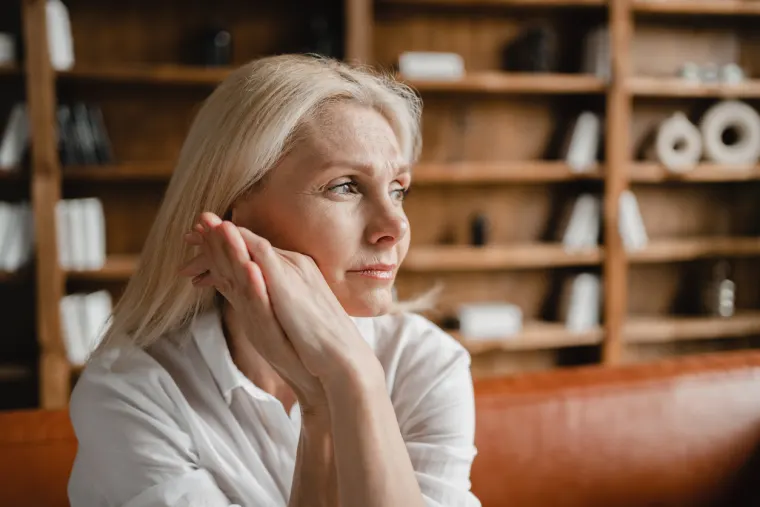
Women’s health experts share everything you need to know.
When you hit 50, you might realize that you’re not feeling like you usually do. You might have trouble falling asleep, feel moodier, and notice a decrease in your sex drive. These could be signs that your hormones are changing.
The largest hormonal change for women (or those assigned female at birth) over 50 is menopause, including the time leading up to it called perimenopause. Menopause is when you’ve gone a whole year without having a period, as stated by the Cleveland Clinic.
It’s a normal part of getting older. Usually, menopause begins around age 51, but hormonal shifts can start earlier, even in your 30s or 40s.
Dr. Anna Cabeca, who is an expert in women’s health, explains that the period before menopause, when your periods stop, is the most significant hormonal puzzle in our bodies and minds. She’s a certified OB/GYN and has written a book called “The Hormone Fix”.
When your hormones change, it affects people in different ways. Some might have things like sudden warmth, difficulty sleeping, dryness in private areas, sweating at night, mood swings, periods becoming irregular, and less interest in intimacy. Dr. Cabeca explains that the intensity of these symptoms can vary from person to person.
She also emphasizes that while menopause is a natural and necessary part of life, you don’t have to endure unnecessary suffering. You can take steps to make it more manageable.
Now, let’s go over the main hormonal shifts that occur in women over 50 because of menopause, and how to deal with them.
What’s the Difference Between Perimenopause and Menopause?
Perimenopause is the time leading up to menopause. During this phase, your ovaries make less of two important hormones called estrogen and progesterone. This leads to changes in your monthly cycle, making it unpredictable. It’s a sign that your body is getting ready to stop releasing eggs and reach the end of your ability to have babies.
Perimenopause doesn’t begin at the same age for everyone, explains Dr. Monte Swarup, a women’s health expert. “For some, it starts in their 30s, but for most women, it begins in their 40s.”
Every woman goes through perimenopause, a phase that can last a few years, but not all of them feel noticeable changes, he adds. Some signs of perimenopause can be:
- Skipping periods
- Heavier or lighter periods
- Shorter or longer periods
- Hot flashes
- Vaginal dryness
- Urinating more frequently
- Sleep problems
- Mood changes, like irritability or depression
- Pain during sex
You might continue experiencing these symptoms as you go through menopause and even for some years after.
Remember, it’s possible to get pregnant during perimenopause because it’s hard to predict when you’ll ovulate. It’s advised to keep using your chosen birth control methods until a full year has passed since your last period, as recommended by the Office on Women’s Health.
Once you’ve gone a whole year without having a period, you’ve officially entered menopause. This means your ovaries have stopped releasing eggs and making hormones. On average, menopause starts at 51, but it can happen anywhere between 40 and 58 years old.
Why do menopause symptoms vary?
Different women go through perimenopause and menopause in different ways. Some might have only mild symptoms, while others might have stronger ones. Dr. Swarup explains that doctors aren’t completely sure why this happens.
Dr. Cabeca adds that it could be because of things like family traits or having more inflammation in the body. People with diabetes and insulin resistance might experience more intense symptoms. Dr. Swarup also mentions that those who smoke, have a higher body weight, or aren’t generally in good health might find the symptoms harder to deal with.
“If you notice you’re not feeling like your usual self, it’s a good idea to get a lab test to make sure it’s not something else,” Dr. Cabeca advises.
How to manage hormonal changes after 50
Menopause happens naturally, but Dr. Cabeca emphasizes that you don’t have to endure any discomfort from hormonal shifts. That’s why it’s important to speak with your doctor when you notice changes in how you’re feeling.
Dr. Swarup advises talking to your OB/GYN to figure out the right treatment for your specific situation.
Dr. Cabeca suggests starting with some lifestyle changes. She emphasizes the importance of staying hydrated, staying active, eating nutritious foods, and getting good sleep for overall well-being. She also guides her patients on adjusting their diet, making sure they eat lots of green veggies, low-sugar fruits like berries, and good-quality proteins and fats.
Dr. Swarup suggests doing more exercise and finding ways to relax to help.
It’s also vital to get lab tests to check hormone levels. For some women, treatments like estrogen therapy or a combination of estrogen-progesterone/progestin hormone therapy might be necessary.
To cope with menopause symptoms like mood swings, hot flashes, and dryness, options like birth control pills, antidepressants, and vaginal creams can be helpful.
Dr. Cabeca wants to make it clear: you don’t have to endure any discomfort. She wants women to understand that there are ways to find relief. It’s important to concentrate on your own strength and take steps to help your body heal.
Sources:
- Anna Cabeca, MD, a FACOG, a board-certified OB/GYN, menopause and sexual health expert, and author of The Hormone Fix
- Monte Swarup, MD, FACOG, and founder of Vaginal Health Hub
SOURCE:PARADE