

On Tuesday, many women in Iceland, including the prime minister, went on strike. This was the seventh time they’ve done this to fight for fairness between men and women. The first time was on October 24, 1975.
They call this strike the “Women’s Day Off” or “Kvennafrí” in Icelandic. They did this to make more people aware of the unfair treatment women face in Iceland, like not getting paid as much as men for the same work and being hurt because they are women.
Some schools and libraries in Iceland didn’t open on Tuesday. Only one bank opened in the whole country, and even the news had fewer stories because some of the reporters were on strike. In the city, only urgent medical cases were taken care of because of the strike. It was supposed to end at midnight local time, which is 8 p.m. in the United States.
In the capital of Reykjavík, a crowd of thousands of women gathered on Tuesday afternoon on Arnarhóll, a hill next to the city center, according to RÚV.
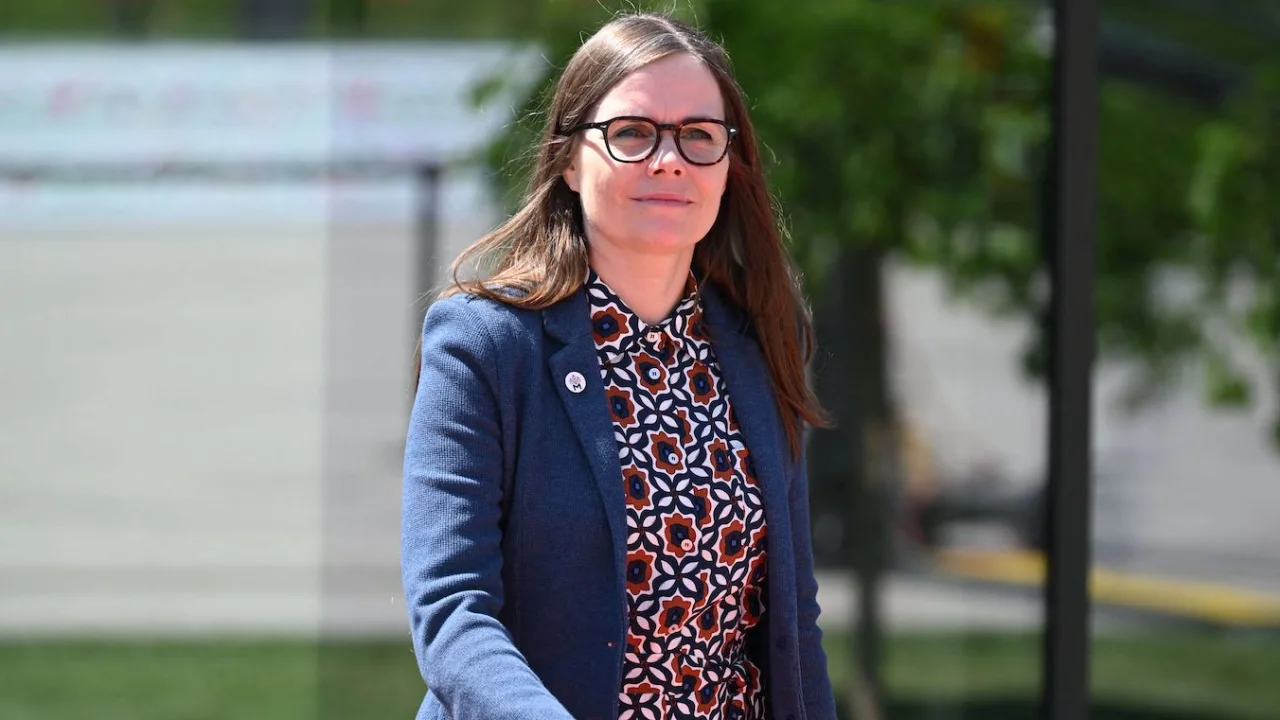
One of the strike’s most high profile participants was the country’s prime minister, Katrín Jakobsdóttir, who “did not attend to her official duties” on Tuesday, a spokesperson from her office told CNN.
Jakobsdóttir postponed a cabinet meeting originally scheduled for Tuesday, the spokesperson said, reiterating that she wanted to show her solidarity with Icelandic women.
Female employees who make up two thirds of staff in the Icelandic prime minister’s office all participated in the strike and did not come into work on Tuesday, the spokesperson added.
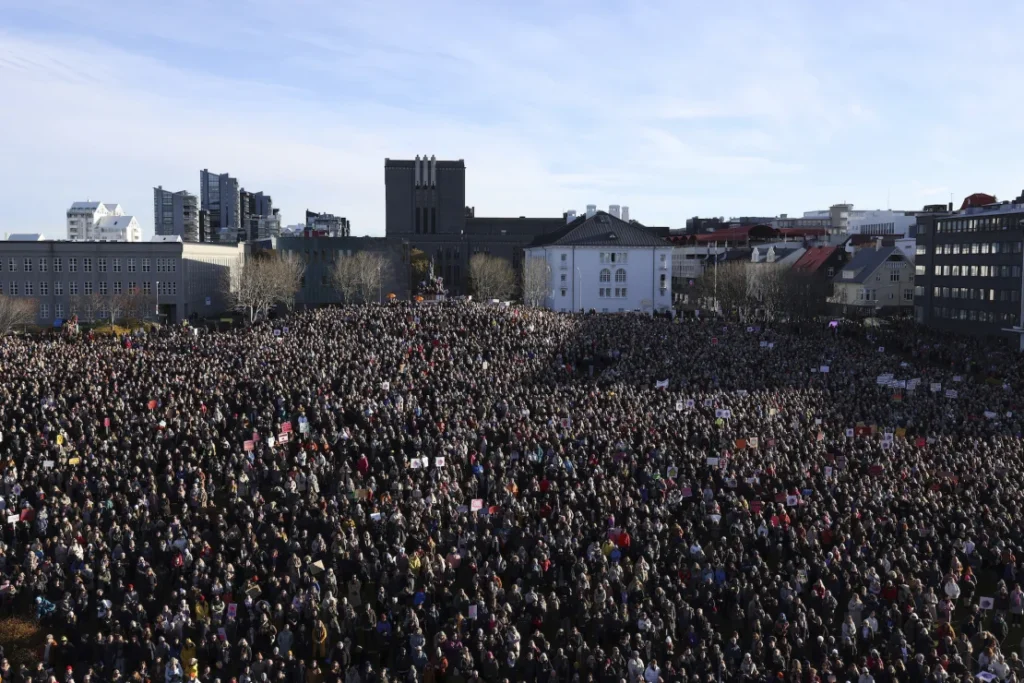
During an interview with the public service broadcaster’s radio station on Tuesday, Jakobsdóttir stressed that the fight for gender equality is going too slowly. “Looking at the whole world, it could take 300 years to achieve gender equality,” she said.
“As you know, we have not yet reached our goals of full gender equality and we are still tackling the gender-based wage gap, which is unacceptable in 2023. We are still tackling gender-based violence, which has been a priority for my government to tackle,” Jakobsdóttir also told news site Iceland Monitor in an interview on Friday.
The strike was acknowledged by government departments on Tuesday, and was backed by the country’s largest federation of public workers unions, the Federation of the Public Workers Union in Iceland (BSRB), the Icelandic Nurses’ Association and the Icelandic Association of Women’s Associations, among others.
“Women in Iceland are striking today, for the 7th time since the famous #womensdayoff in 1975,” Iceland’s President Gudni Johannesson posted on X, formerly known as Twitter, accompanied by a black and white photo of a huge crowd. “Their activism for equality has changed Icelandic society for the better and continues to do so today.”
Iceland’s Ministry of Foreign Affairs said in a tweet Tuesday: “Today we repeat the event of the first full day women’s strike since 1975, marking the day when 90% of Icelandic women took the day off from both work and domestic duties, leading to pivotal change including the world’s first female elected president of a country.”
For 14 years in a row, Iceland has been ranked the best nation for gender equality by the World Economic Forum (WEP), which said the country has closed 91.2% of the gender gap.
Strike organizers wanted to draw particular attention to the plight of immigrant women whose “invaluable” contribution to Icelandic society they say is “rarely acknowledged or reflected in the wages they receive.”
Jakobsdóttir’s government has previously committed to eradicating the gender pay gap by 2022.
SOURCE:CNN