

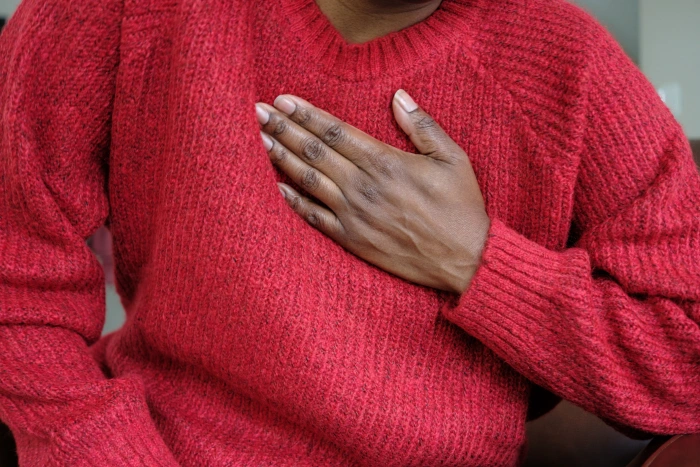
Doctors Warn: This Strange Pain Could Be a Silent Heart Attack Sign—Don’t Ignore It
(Originally reported by Parade)
Most people think heart attacks always come with crushing chest pain—but experts say there’s a hidden warning sign many miss. According to Parade, cardiologists are sounding the alarm on a sneaky symptom that could save lives if caught early.
The Overlooked Red Flag: Jaw or Neck Pain
As Parade explains, heart attacks don’t always feel like dramatic TV scenes. Dr. Patrick Kee, a Houston cardiologist, says pain in the jaw, neck, shoulder, or arm—without chest discomfort—can signal heart trouble, especially in women, older adults, and people with diabetes.
Why does this happen?
- Your heart and jaw share nerve pathways, so when the heart is in distress, your brain might mistake the pain for jaw or neck tension.
- Women are more likely to experience this “silent” symptom, sometimes even mistaking it for a toothache.
“It’s Like a Leaking Pipe—Catch It Before It Bursts”
Dr. Robert Segal, a New York cardiologist, told Parade that this pain could start minutes, hours, or even days before a heart attack. “Think of it like a dripping faucet—ignore it, and the pipe could burst.”
When to Worry?
Not all jaw pain means heart trouble (it could be a toothache or muscle strain). But Parade highlights these danger signs:
✔ Dull ache or pressure in the lower jaw/throat
✔ Pain spreading to the ear, shoulder, or left arm
✔ Sudden tightness with no obvious cause
“If you’re at risk (high blood pressure, diabetes, smoking, family history), don’t wait—get help,” urges Dr. Bradley Serwer, a heart specialist.
What Doctors Do Next
If ER doctors suspect a heart attack, Parade reports they may:
💊 Give aspirin to prevent clots
⚡ Use nitroglycerin to ease pain
🩺 Perform quick procedures to open blocked arteries
Bottom Line (via Parade):
“Your heart doesn’t always scream—sometimes it whispers. Learn its language.”
🔗 Read more on Parade.com for expert-backed heart health tips!
Sources: Parade interviews with cardiologists Dr. Yu-Ming Ni, Dr. Patrick Kee, Dr. Robert Segal, and Dr. Bradley Serwer. Original study citations available in Parade’s full report.