

I don’t always eat what I really want because of my busy schedule. For example, I’m not sure if the milk is still good, so I buy my morning latte on the way. I’m in a rush to get to work, so I don’t have time to cut up fruit for a smoothie. Instead, I grab an energy bar, even though I don’t really crave it. It’s tough to eat based on what my body truly needs when my daily routine isn’t set up that way.
“We eat with our eyes in a lot of ways, whether that’s marketers … putting eye-catching labels on things or whether we sort of market our own kitchen in a way to always have (certain foods) right top of mind,” said CNN Food contributor and meal-planning coach Casey Barber.
Katrina Green, who helps people with ADHD organize things, says that how you arrange your kitchen really affects how you use it. To make it simple to eat what you actually want and need, instead of just grabbing whatever’s convenient, you don’t have to spend a lot on fancy containers or label makers. Natalie Mokari, a nutrition expert in Charlotte, North Carolina, says that all it takes is a bit of time and organization.

How it looks impacts how you eat
Katrina Green mentioned that the first things you see in your kitchen usually influence what you’ll grab first. Barber also shared that she puts the things she knows she’ll use often in the easiest-to-reach places. Green suggests considering what you keep at eye level in your pantry and fridge, and what can go in spots that are a bit harder to get to.
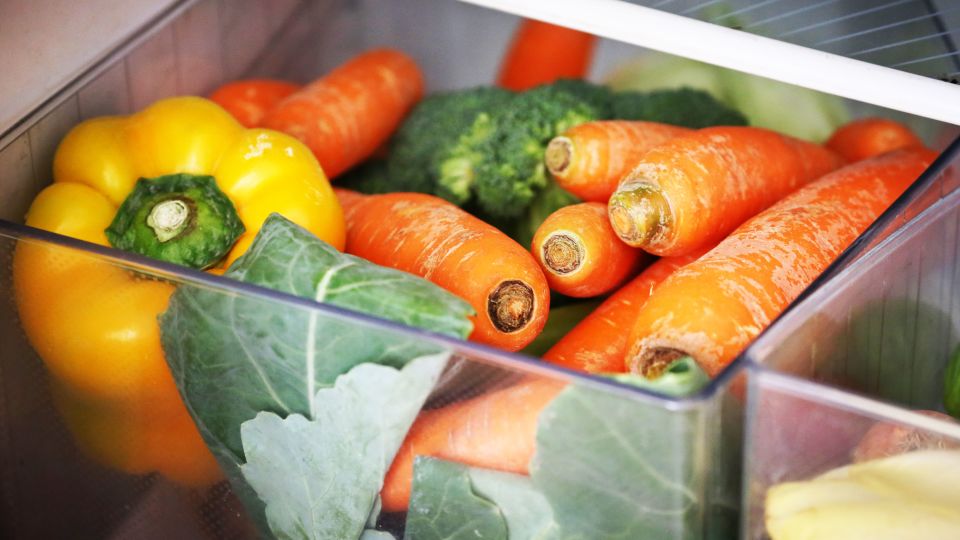
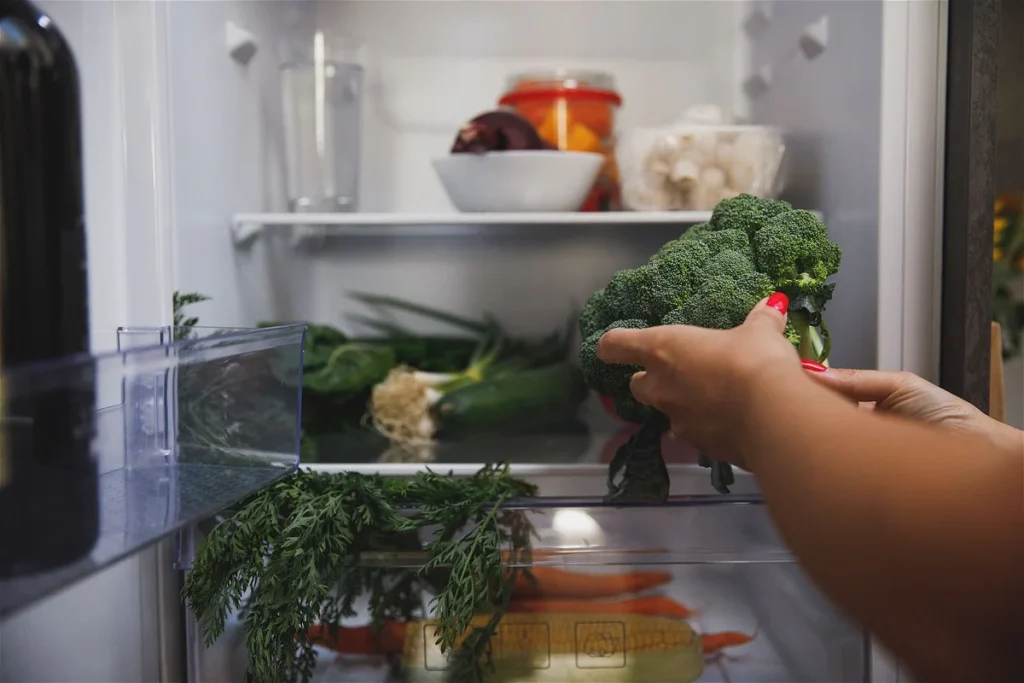
She puts the food she might be tempted by but doesn’t really satisfy her on the top shelf. The stuff that she enjoys and wants to eat regularly goes in easy-to-spot spots. Just because the fridge drawers are labeled for fruits and veggies doesn’t mean they have to go there, says Mokari. She prefers using the drawers for things that won’t go bad quickly, like drinks and snacks, and keeps the produce on a shelf where it’s more likely to be seen.
Mokari has a three-level fruit bowl that doesn’t only hold fruit, but also has things like small packages of nuts or granola bars that her family can easily grab when they’re hungry. It’s set up this way to make snacks accessible without much effort.
When arranging your kitchen, think about your cooking goals and what you usually like to eat. Make sure those things are easy to see and reach in your kitchen, suggests Barber.
Prepare ahead of time
Taking some time to prepare can be really helpful, says Mokari. Spending a bit extra time to clean and cut your fruits and vegetables, or separating out the ingredients for your meals for the week, can save you from starting over every time you want to eat.
It’s also a good idea to set aside a specific area in your pantry and fridge for items that need to be used up during the week, either because they’re part of your meal plan or because they’re getting close to their expiration date, suggests Green.
Consider organization tools
You don’t have to spend all your money on fancy organization stuff. But if getting a nice container for fruits and veggies makes you more likely to grab them from the fridge and put them on the table, it could be a good investment, suggests Barber.
If getting a fancy container for your berries encourages you to eat more of them, it might be worth the expense, according to Barber.
When planning your meals, think about not only what’s good for your health goals, but also what provides sustained energy and what you genuinely enjoy, advises Mokari. If you have healthy food out but you don’t actually like it, you’re less likely to eat it.
For me personally, having my blender accessible and fruit prepped in individual containers for the day has been a game changer. It allows me to make smoothies that are both nutritious and enjoyable.
I’ve noticed that I tend to eat more fruits and vegetables when they’re stored in nice bowls on my counter, ready for snacking.
SOURCE: CNN