


In many European countries, housing costs are getting very high. This makes it hard for people to rent homes, buy their own, or build new ones. Because of this, more people don’t have a place to live, which is a big problem. What can be done to fix this housing crisis in Europe?
September is a very busy time for finding a place to live in Paris. This is because students come back after the summer, and they need affordable places to stay. But in 2023, it was harder than usual to find a cheap room or small apartment. Paris is now the second-most expensive city in the EU for renters, after Dublin. A study by Deloitte in August showed that it costs €28.50 per square meter each month.
In many cities in Europe, rents are going up, and things like energy and food are getting more expensive. This is making it tough for people to find good places to live, especially young folks.
In all 27 EU countries, more than a quarter of young Europeans between 15 and 29 years old said they were living in very crowded places in 2022. In Ireland, 30% of 18- to 24-year-olds were still living with their parents in 2022. This was nearly 10% more than five years before.
Not only young renters in Europe are facing this problem. In cities like Paris, Berlin, and Lisbon, rents have gone up a lot. At the same time, interest rates for home loans have also gone higher in Europe. This makes it more expensive for people who have loans with variable rates, and it’s making it really hard for many people to buy homes.
In the area around Paris, the number of homes sold went down by 23% in the second part of 2023. Many people who wanted to buy homes can’t do it because of the high interest rates. This is putting even more pressure on the rental market, which is already struggling.
According to Ruth Owen from FEANTSA, a group in Brussels that helps homeless people, this crisis didn’t happen suddenly. It’s been getting worse for decades. Housing costs have been going up faster than how much money people make in the European Union. And lately, there have been many big problems like Covid-19, a shortage of energy because of the war in Ukraine, and prices going up all over the world. These have all made the housing situation even worse.
Lack of supply
It’s unlikely things will get better quickly. In September, the European Central Bank made interest rates very high, at a record 4%. They plan to keep them high for as long as needed to control rising prices, according to ECB chief Christine LaGarde.
Building new homes is also in trouble. Because fewer people are looking for homes, construction in the eurozone (the countries that use the euro) is happening at the slowest rate since April 2020. This is made worse by the fact that it’s more expensive to build, and there are problems getting the materials needed because of Covid-19 and Russia’s big invasion of Ukraine in 2022.
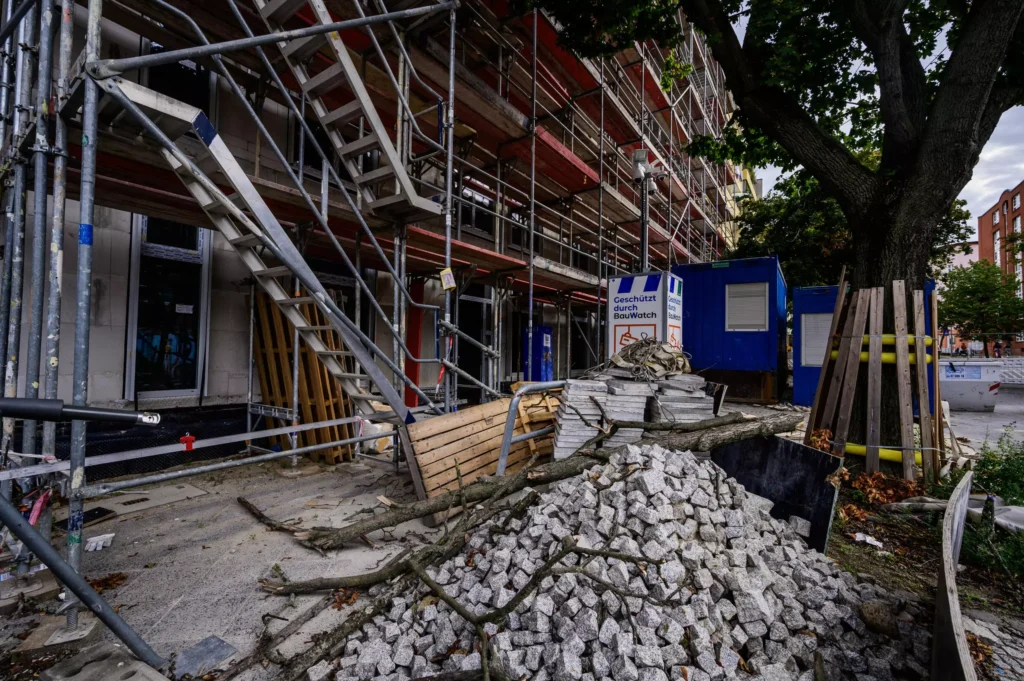
Germany is having a big problem with this. It’s expected that there will be 32% fewer new homes built between 2023 and 2025 compared to previous years, according to a report from the IFO Institute in Munich.
In 2025, around 1.58 million new homes are predicted to be finished in 19 European countries studied. This is 14% less than in 2022.
There are also persistent issues with existing housing.
Angela Baldellou, who works with a housing group in Spain, mentioned that buildings in Europe are getting old and not very efficient. She said we have to make them better for using energy and also better for older people, as the population in Europe is getting older.
But just making homes that suit older people and tackle climate and energy problems won’t solve today’s issues if they’re too expensive. Diana Yordanova, who works with Housing Europe, said we need to find a good balance between making homes sustainable and making sure they’re affordable and comfortable to live in.
Political commitment
If we don’t have enough good homes that people can afford, it’s likely that prices will keep going up. This makes it even harder for those who already struggle to pay for a place to live.
However, people don’t have much confidence in the housing market right now. A study by a global legal advisory firm found that real estate was in the worst shape in Europe in 2023. It had a lot of financial uncertainty, instability, and people thought it was risky.
To avoid these big ups and downs caused by crises, some countries and cities might need to change how they handle housing. Diana Yordanova said that in many places, houses are seen as something to make money from, rather than just places to live in. They’re often bought and sold for investment or speculation.
Looking at successful housing systems in Europe, they often keep putting money into public housing. This way, even during tough times, the most vulnerable people don’t end up without a place to stay.
But if we look at the whole continent, this isn’t happening everywhere. Almost 900,000 people in the EU sleep outside or stay in places for homeless people every night, according to Owen. The number of homeless people in the EU has gone up by 30% since 2019, as shown by FEANTSA’s data.
Yet, there are places in Europe doing well. For example, in Vienna, the capital of Austria, they spend about €500 million on building and fixing homes, and they also help out low-income families with money. Almost 60% of the people there live in homes provided by the city or supported by the government.
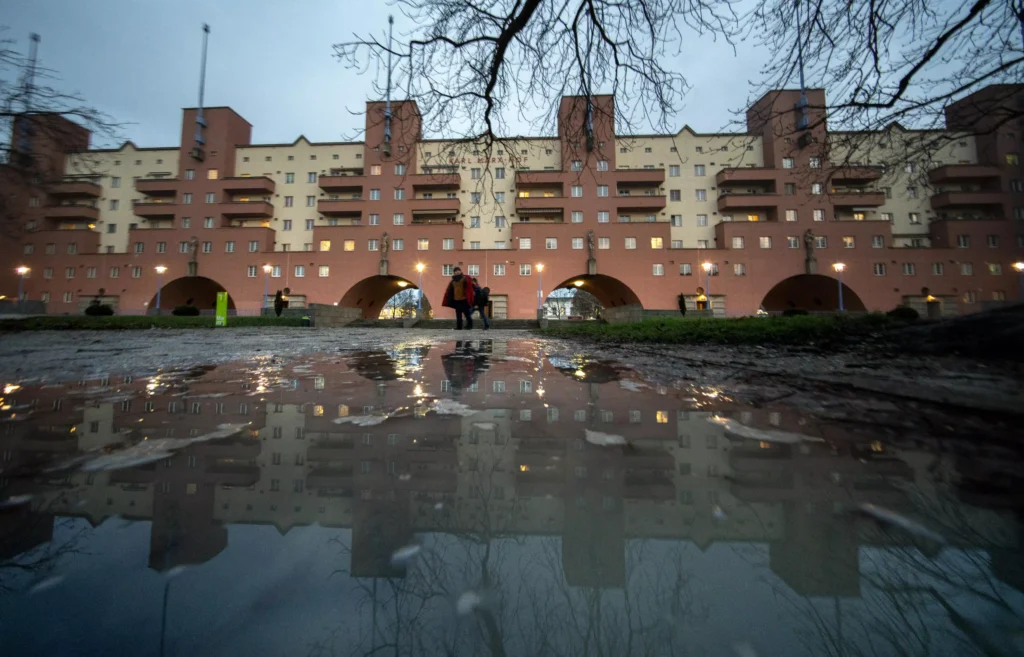
Finland shows us how government plans over a long time can really help decrease homelessness. They believe in a “housing first” idea, which means they see having a home as something everyone should have, and it’s the first step to solving other problems.
Owen thinks that the EU can also do similar things. She says the first thing needed is for leaders to promise to do something about it.