

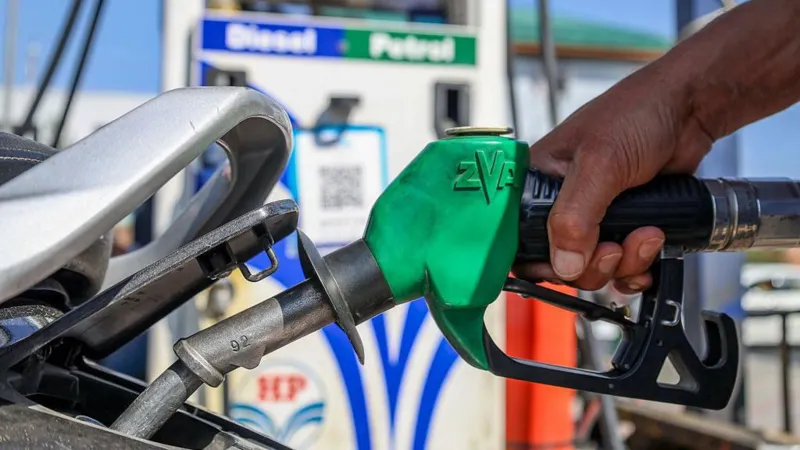
Oil prices dropped sharply, and stock markets around the world moved higher after the United States and Iran said they had reached a framework agreement to end their war.
According to BBC, US President Donald Trump said the deal would allow the reopening of the Strait of Hormuz, one of the world’s most important shipping routes for oil and natural gas. Trump also posted on social media, saying, “Let the oil flow!”
BBC reports that Brent crude oil, the global benchmark for oil prices, fell by more than 5% to about $82.84 per barrel. Before the conflict began, oil was selling at around $70 per barrel, but prices later surged to nearly $120 during the fighting.
Pakistan, which has been helping to mediate talks between the US and Iran, said an official signing ceremony is expected to take place in Switzerland on 19 June. BBC says Iran’s deputy foreign minister, Kazem Gharibabadi, also confirmed on state television that an agreement had been finalized.
Investors welcomed the news. According to BBC, stock markets in Asia recorded strong gains. Japan’s Nikkei index jumped 5%, while South Korea’s Kospi rose by 5.2%. European markets also moved higher, with Germany and France posting gains.
BBC explains that Asian countries were hit especially hard by rising energy costs during the conflict because they depend heavily on oil and liquefied natural gas from the Middle East.
However, experts say there is still uncertainty. According to BBC, energy analyst Vandana Hari warned that not enough details have been released about the agreement. Because of this, oil prices could continue to move up and down in the coming days.
The Strait of Hormuz has been largely closed since shortly after the US and Israel launched airstrikes on Iran on 28 February. BBC notes that about 20% of the world’s oil and liquefied natural gas normally passes through this narrow waterway. Any disruption there can quickly affect fuel prices around the world.
Even though a deal has been announced, BBC reports that experts do not expect things to return to normal immediately. Mines may need to be removed from the waterway, and many oil tankers are still waiting to pass through the strait. Restarting oil production and normal shipping operations could take several weeks or even months.
A unique perspective on this development is that the drop in oil prices is not just good news for investors. If lower oil prices continue, ordinary people around the world could eventually benefit through lower fuel costs, reduced transportation expenses, and slower increases in the prices of goods and services. However, the world is also learning an important lesson: when conflict affects a major energy route like the Strait of Hormuz, the economic impact is felt far beyond the Middle East, reaching businesses, markets, and households across the globe.
For now, global markets are celebrating the possibility of peace, but as BBC points out, the real test will be how quickly the Strait of Hormuz can safely return to normal operations and whether the agreement leads to lasting stability in the region.
Credit: BBC