

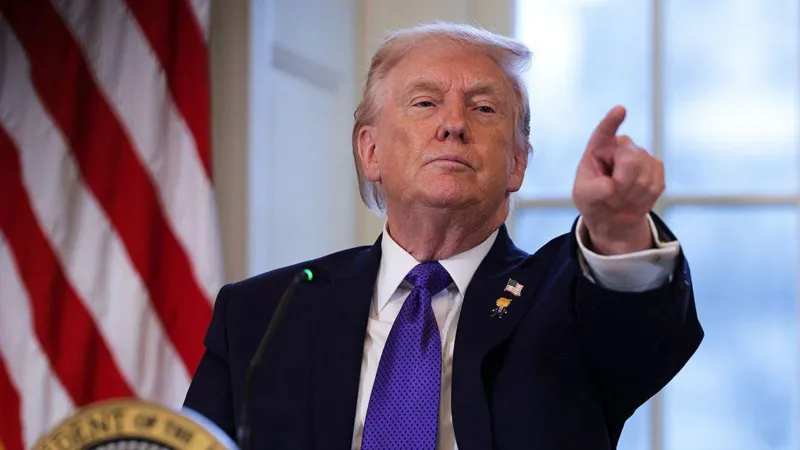
Trump Tells Cuba to “Make a Deal” or Lose Venezuelan Oil and Money –
US President Donald Trump has publicly warned Cuba that it must “make a deal” with the United States or face consequences, following recent actions in Venezuela that have affected Cuba’s main support system. This comes in the wake of the dramatic US-led capture of Venezuela’s leader Nicolás Maduro, which has reshaped geopolitics and put new pressure on Havana’s economy.
Trump said that Venezuela has stopped sending oil and money to Cuba — a lifeline that kept the Cuban economy running for years. He wrote in capital letters on his social platform: “THERE WILL BE NO MORE OIL OR MONEY GOING TO CUBA — ZERO! I strongly suggest they make a deal, BEFORE IT IS TOO LATE.”
For many years, Cuba depended on tens of thousands of barrels of Venezuelan oil every day, and part of that oil and cash came in return for Cuban support to Venezuela’s leaders. But now that has abruptly changed.
A unique perspective on this situation is that Trump isn’t just threatening Cuba — he is trying to use America’s control of Venezuelan oil to force political negotiations. By cutting off Cuba’s main source of energy and cash, the Cuban government could struggle to run essential services like electricity, transport, and food distribution, especially given the island’s existing economic problems.
Trump did not clearly explain what kind of deal he wants or what would happen if Cuba refuses. He also reposted a social message suggesting that US Secretary of State Marco Rubio might become “president of Cuba” someday, something that shows just how unpredictable and aggressive the messaging has become.
So far, Cuba has not publicly agreed to any deal. But this moment shows how the United States is now trying to reshape political and economic relationships in Latin America using pressure and control of oil resources. Whether Cuba chooses to negotiate or resist, many ordinary people on the island could feel the effects first — through shortages, power outages, or rising costs — long before any leaders formally make a deal.
Based on reporting from Reuters and other news outlets influenced by BBC-style coverage.
Credit: BBC