

US and Russia Face Tension Over Oil Tanker in the Atlantic – What It Means in Simple Terms
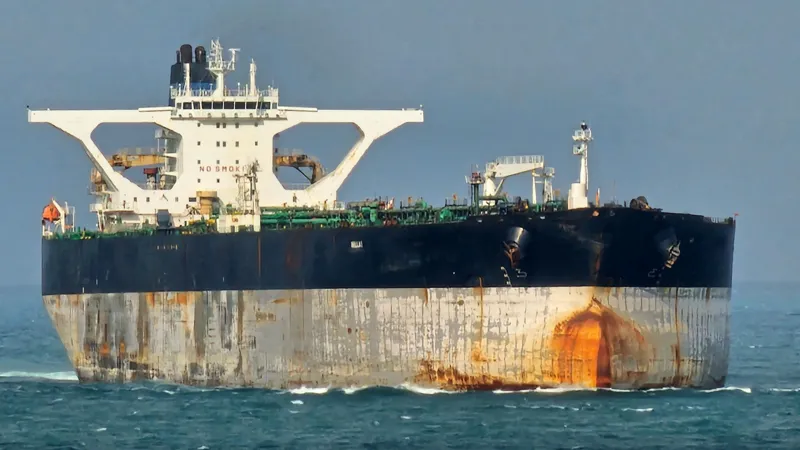
According to BBC reports, the United States is carrying out an operation to seize an oil tanker linked to Venezuelan oil. A US official confirmed this information to CBS News, which is the BBC’s US news partner.
The tanker was previously called Bella 1, but BBC says it has now changed its name to Marinera. It has also reportedly changed its flag from Guyana to Russia, a move experts say may be an attempt to avoid US sanctions.
BBC explains that the ship has been accused of breaking US sanctions by transporting oil linked to Venezuela and Iran. Although the tanker is said to be empty at the moment, BBC reports that it has a long history of carrying Venezuelan crude oil.
The situation has become more serious because BBC confirms that Russia has sent a submarine and other navy ships to escort the tanker across the Atlantic Ocean. At the same time, US forces are also following the vessel, raising fears of a major international standoff.
According to BBC tracking data, the tanker is currently in the North Atlantic Ocean, between Iceland and the UK. The BBC adds that the ship recently changed its route after US forces earlier tried to board it in the Caribbean.
Last month, BBC reported that the US Coast Guard attempted to seize the tanker when it was believed to be heading to Venezuela. The Coast Guard reportedly had a legal warrant because the ship was accused of violating US sanctions.
US President Donald Trump earlier ordered what he called a “blockade” of sanctioned oil tankers entering or leaving Venezuela. BBC notes that the Venezuelan government described this move as “theft”, increasing tensions between the two countries.
Russia has responded by saying it is “monitoring the situation with concern”, according to the BBC. Russia insists the tanker is sailing legally in international waters under Russian protection and claims the US and NATO are giving it unnecessary military attention, the BBC adds.
BBC Verify, the BBC’s fact-checking unit, reviewed video footage released by Russia Today that appears to show a US Coast Guard ship following the tanker. BBC Verify also confirmed the ship’s location using international ship-tracking data.
From a unique perspective, BBC analysts suggest this incident shows how oil, sanctions, and global power struggles are now playing out directly on the world’s oceans. What looks like a single ship at sea is actually part of a bigger fight over energy control and international law.
Maritime experts speaking to the BBC say that changing a ship’s name or flag does not erase its past. The US focuses on the ship’s identity number and ownership history, not just what flag it flies.
However, BBC reports that re-registering the tanker under Russia could make it harder for the US to legally board it under international law, which may be why more countries are getting involved.
In conclusion, BBC coverage makes it clear that this tanker issue is not just about oil. It is about power, sanctions, and who controls global trade routes. As the BBC continues to monitor the story, the world is watching to see whether diplomacy or force will decide the ship’s fate.
BBC Verify reports that since the US seized the tanker Skipper, at least 19 oil tankers under US sanctions have changed their registration to Russia.
Many of these ships were already using false flags before, which means they were hiding their real identity to avoid sanctions.
Credit: BBC